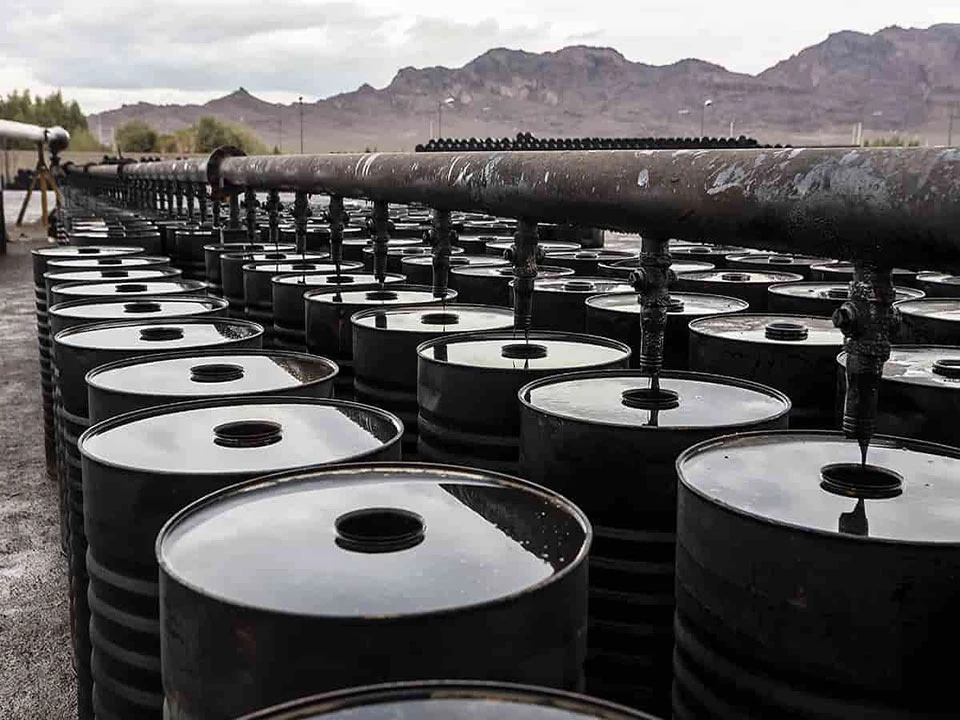
Fuel Oil: Types, Grades, Uses & Buying Guide
Fuel Oil Buying Guide

Fuel Oil
Explained

The heavy fuel behind power plants, boilers, and the world's shipping fleet. A concise guide to grades, sulfur limits, specifications, and what to check before you buy.

Primary UseMarine & Power
IMO Sulfur Limit0.50% m/m
SourceCrude Residue
STORAGE TANK VISCOSITY HEAVY FUEL OIL
Fundamentals

What is fuel oil?

Fuel oil is produced primarily from crude oil refining and consists of heavier hydrocarbon fractions — ranging from lighter distillates to heavy residual fuel oils. Its key characteristics:

Viscosity
Sulfur Content
Density
Flash Point
Water & Sediment
Heating Value
Product Range

Main types of fuel oil

Four product families cover the bulk of global industrial and marine demand.

01 / HFO

Heavy Fuel Oil

A high-viscosity residual product. Generally requires preheating before pumping or combustion.

BoilersPower PlantsMarine
02 / LSFO

Low Sulfur Fuel Oil

Lower sulfur content than conventional heavy fuel oil, used where emissions regulations require cleaner fuel.

Emissions Compliant
03 / VLSFO

Very Low Sulfur Fuel Oil

Designed to comply with the IMO sulfur limit of 0.50% m/m under MARPOL Annex VI. Widely used in marine shipping.

MARPOL Annex VIMarine Shipping
04 / Marine Fuel Oil

Marine Fuel Oil

Formulated for ships and marine engines, supplied according to applicable marine fuel specifications such as ISO 8217.

ISO 8217
Emissions Compliance

Reading the sulfur scale

Sulfur content is the defining spec for marine fuel today. The IMO's global cap under MARPOL Annex VI sits at 0.50% m/m — VLSFO is built to sit at or below that line.

Typical Sulfur Content by Grade

% m/m · illustrative
IMO Limit · 0.50%
~3.50%
HFO
Conventional
~1.00%
LSFO
Regulated Areas
≤0.50%
VLSFO
IMO 2020 Compliant
Lower sulfur → wider regulatory compliance, generally higher cost
Marine Compliance Grade

VLSFO

Very Low Sulfur Fuel Oil is formulated to meet the IMO's global sulfur cap, making it the default choice for commercial vessels operating outside dedicated Emission Control Areas.

  • Complies with MARPOL Annex VI, 0.50% m/m sulfur limit
  • Widely available across major bunkering ports
  • Typically supplied to ISO 8217 marine fuel specifications
Data Sheet

Key specifications to check

The parameters that determine how a fuel oil performs — and whether it's compliant.

Sulfur Content
Important for emissions compliance
Viscosity
Affects pumping and combustion
Density
Important for fuel handling and energy calculations
Flash Point
Important for safety
Water & Sediment
Affects fuel quality
Ash Content
Important for combustion equipment
Pour Point
Indicates low-temperature flow characteristics
Net Calorific Value
Indicates usable energy content

A Certificate of Analysis (COA) should be provided to confirm the product meets the agreed specification.

Applications

Where fuel oil is used

Power Generation

Used as a fuel source in certain power plants and generators.

Industrial Heating

Used in boilers, furnaces, kilns, and heating systems.

Marine Transport

Powers large commercial vessels, subject to applicable emissions regulations.

Industrial Operations

Provides high-energy combustion for heavy industrial processes.

Procurement

What affects fuel oil price?

For international purchases, shipping costs, loading port, destination, and quantity can significantly affect the final delivered price.

Crude Oil Prices
Sulfur Content
Viscosity
Grade
Refinery Supply
Demand
Freight
Origin
Logistics

Storage & transportation

Heavy fuel oils may require temperature-controlled storage and handling to maintain appropriate viscosity for pumping and transfer.

Bulk Tankers

Large-volume shipments for major industrial and marine buyers.

ISO Tanks

Standardized containers for intermodal transport and smaller volumes.

Storage Tanks

Temperature-controlled tanks that keep heavy fuel oil pumpable.

Pipeline Systems

Fixed infrastructure for continuous large-scale delivery.

Comparison

Fuel oil vs. diesel

Both are petroleum fuels, but they're built for different equipment and applications.

Heavier / Residual

Fuel Oil

Generally heavier, commonly used for industrial heating, boilers, power generation, and marine applications. Often requires preheating for handling.

VS
Lighter / Distillate

Diesel

Generally lighter, widely used in vehicles, generators, machinery, and diesel engines. Handles and combusts without preheating.

The correct fuel depends on the equipment, required specification, and applicable regulations.

Before You Order

What buyers should check

Product grade
Sulfur content
Viscosity
Density
Flash point
Water & sediment
Heating value
Certificate of Analysis (COA)
Applicable standard
Quantity and origin
Loading port & destination
Delivery terms
Looking for Fuel Oil Supply?

HFO, LSFO, VLSFO, or Marine Fuel Oil —
tell us the spec.

Contact our commercial team with your required grade, quantity, destination, and delivery terms.